Circulose
Produces dissolving pulp from cotton-rich textile waste as a substitute for virgin wood pulp in viscose and lyocell production. Formerly Renewcell. Stockholm, 2012.
Business model
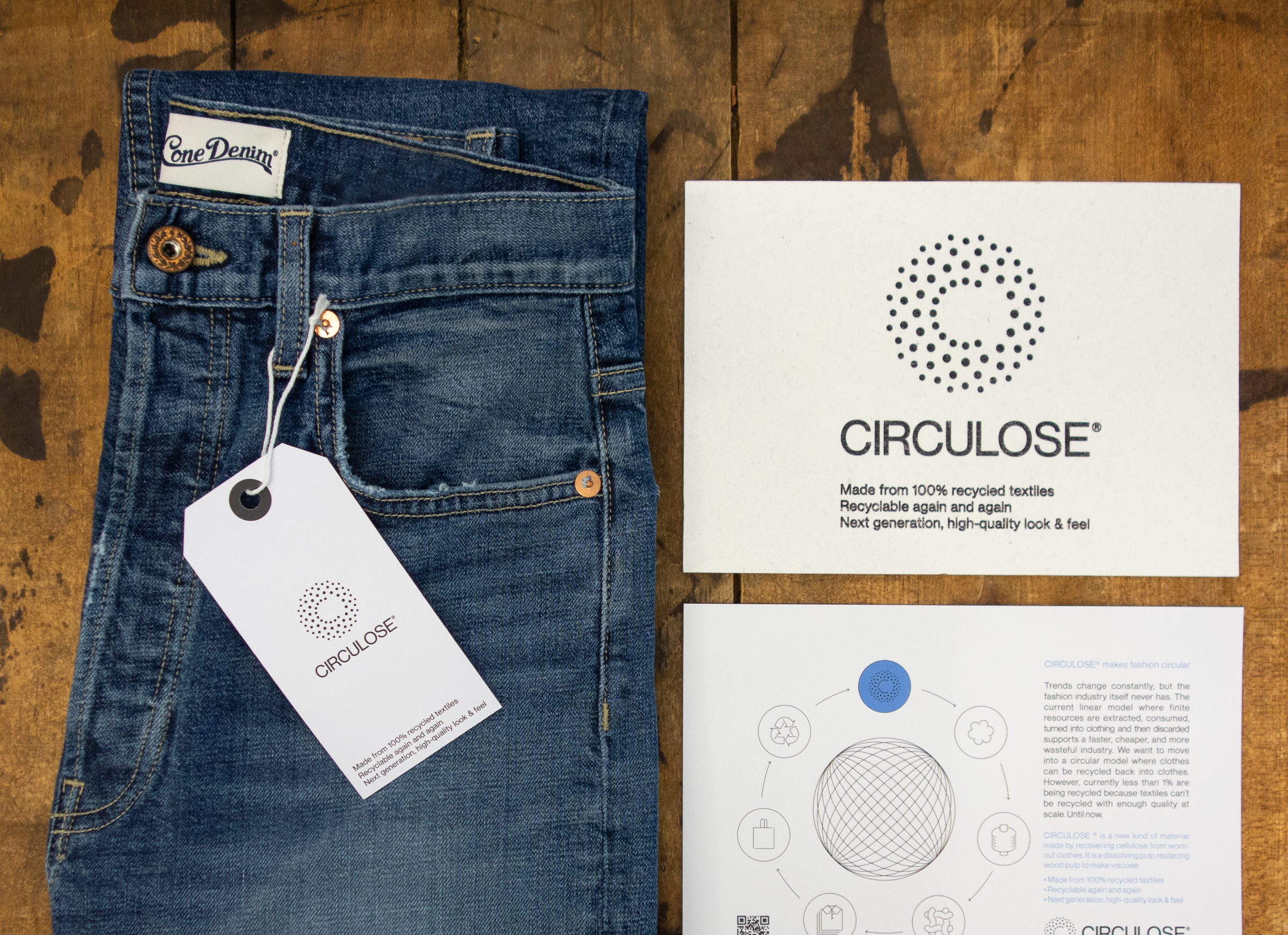
Circulose recovers cellulose from discarded cotton textiles and production scraps, removes dyes, trims and synthetic content, and processes the material into sheets of pulp that substitute for virgin wood pulp in viscose, lyocell and modal production. Under the original Renewcell model, the pulp was sold into the fibre market and depended on downstream brands and producers choosing to buy it.
After the 2024 relaunch, Altor changed the commercial model. Circulose now operates a split pricing structure that separates the physical cost of the pulp from a licence and service fee. Brands sign volume commitments and pay a licence fee covering integration support, traceability tools and use of the Circulose trademark. The stated purpose is to stop the price premium compounding at each step of the supply chain, which it did under the old model. The company describes the shift as moving from a pulp supplier to a solutions partner.
What the company says about itself
Circulose positions itself as the only closed-loop recycled textile player at commercial scale, operating the world's first industrial-scale chemical textile-to-textile recycling plant. It states that its pricing model, developed with Canopy and Fashion for Good, removes the price friction that slows adoption of next-generation materials, and that its production restart is aligned with confirmed demand from named brand partners.
Prefall's analysis
Renewcell is the clearest recent case in fashion of a sustainability proposition that the technology delivered and the economics did not. The plant performed and the material was rated highly, yet the company went bankrupt within roughly 18 months of opening its industrial plant, after producing far below the volume needed to reach breakeven and recording a Q3 2023 net loss of SEK 94.5M on top of a SEK 105.4M loss the quarter before.
The failure sat in the structure of how the material reached a garment. Brands do not buy pulp. The pulp had to pass through fibre producers, spinners, fabric mills and manufacturers before it reached a product, and at each step the recycled input carried a premium over virgin pulp. Renewcell built supply ahead of committed demand and ran out of liquidity before the market organised itself to absorb the volume.
The relaunched model answers that specific failure. By charging brands a corporate-level licence fee separated from the per-unit pulp price, Circulose moves the buying decision up to brand head offices and works to stop the premium compounding downstream. The restart is staged behind volume commitments secured before production resumes, the reverse of the sequence that sank Renewcell. This is the correct lesson drawn from the bankruptcy. Whether it is sufficient remains open: the model now depends on brands honouring multi-year commitments through price and demand cycles, and the original failure included brands that walked away from earlier offtake agreements. The test is the production restart scheduled for Q4 2026.
EU regulatory exposure
As recycled content and traceability move toward product requirements, demand for verified recycled cellulose with chain-of-custody documentation rises. Materiality: high, as a demand driver.
Extended producer responsibility raises the cost of textile waste and improves feedstock economics for textile-to-textile recyclers. Materiality: medium, net positive.
Tighter rules on unsubstantiated environmental claims raise the value of independently verifiable materials, which the company offers through its traceability tools. Materiality: medium, as a demand driver.
Publicly verifiable signals
Investment
Total investment into Renewcell before bankruptcy: ~$140M USD. H&M Group provided ~$29M USD (nearly SEK 300M) over seven years.
Bankruptcy
Listed on Nasdaq First North, November 2020. Filed for bankruptcy at Stockholm District Court, February 2024.
Capacity
Sundsvall plant nameplate capacity: ~60,000 tonnes/year. Previously stated 2030 target: 360,000 tonnes.
Acquisition
Acquired by Altor Equity Partners, June 2024. Altor had recently raised ~€3B for green businesses.
Restart
Production restart targeted Q4 2026, behind long-term volume commitments from 11 brands including H&M, Mango, M&S, Bestseller, C&A and Reformation.
Prefall on this company
Prefall has not yet published analysis on this company.
Sources
Business of Fashion, "Renewcell Was Poised to Lead Fashion's Recycling Revolution. How Did It Fail?", March 2024
Business of Fashion, "Exclusive: Textile Recycler Circulose Is Restarting Its Recycling Plant", March 2026
WWD, "Textile Recycler Renewcell to Declare Bankruptcy", February 2024
WWD, "As Circulose Emerges From Bankruptcy With New Leaders, Its CEO and Chair Unveil Strategy", November 2024
Trellis, "Circular textile phoenix Renewcell is bought out of bankruptcy", June 2024, updated February 2026
Stanford Social Innovation Review, "What Renewcell's Former CCO Learned From Bankruptcy", July 2024
Impact Loop, "Altor-backed Circulose lands new deals with fashion brands", December 2025
Circulose company website, FAQ and pricing model, accessed May 2026
Altor Equity Partners, Circulose company page, accessed May 2026